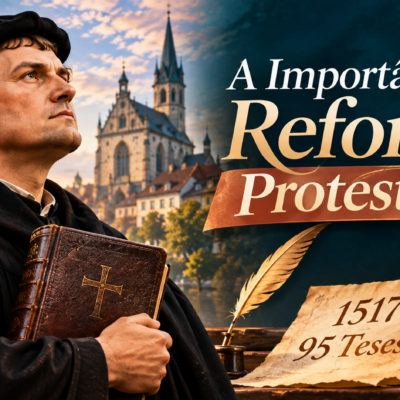
The Importance of the Protestant Reformation
A return to Scripture, the grace of God, and the centrality of Jesus Christ.

Why Does the Protestant Reformation Matter?
The Protestant Reformation transformed the history of the Western Church. Its message remains relevant to everyone seeking to understand the authority of Scripture and salvation in Christ.
In this pastoral reflection, Pastor Jader B. Santos presents the historical events, theological foundations, and implications of the Reformation for the Church today.
Martin Luther and the Ninety-Five Theses
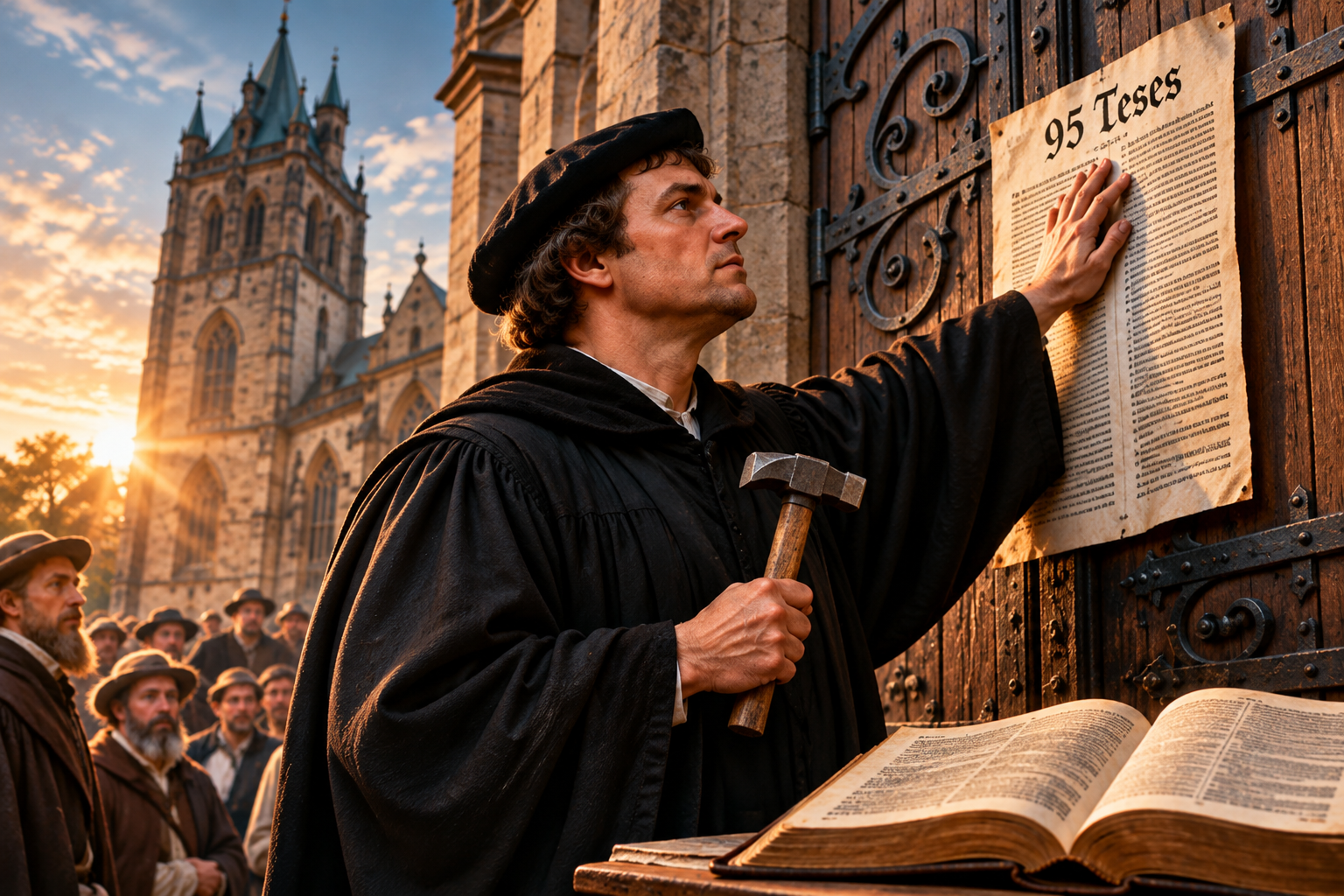
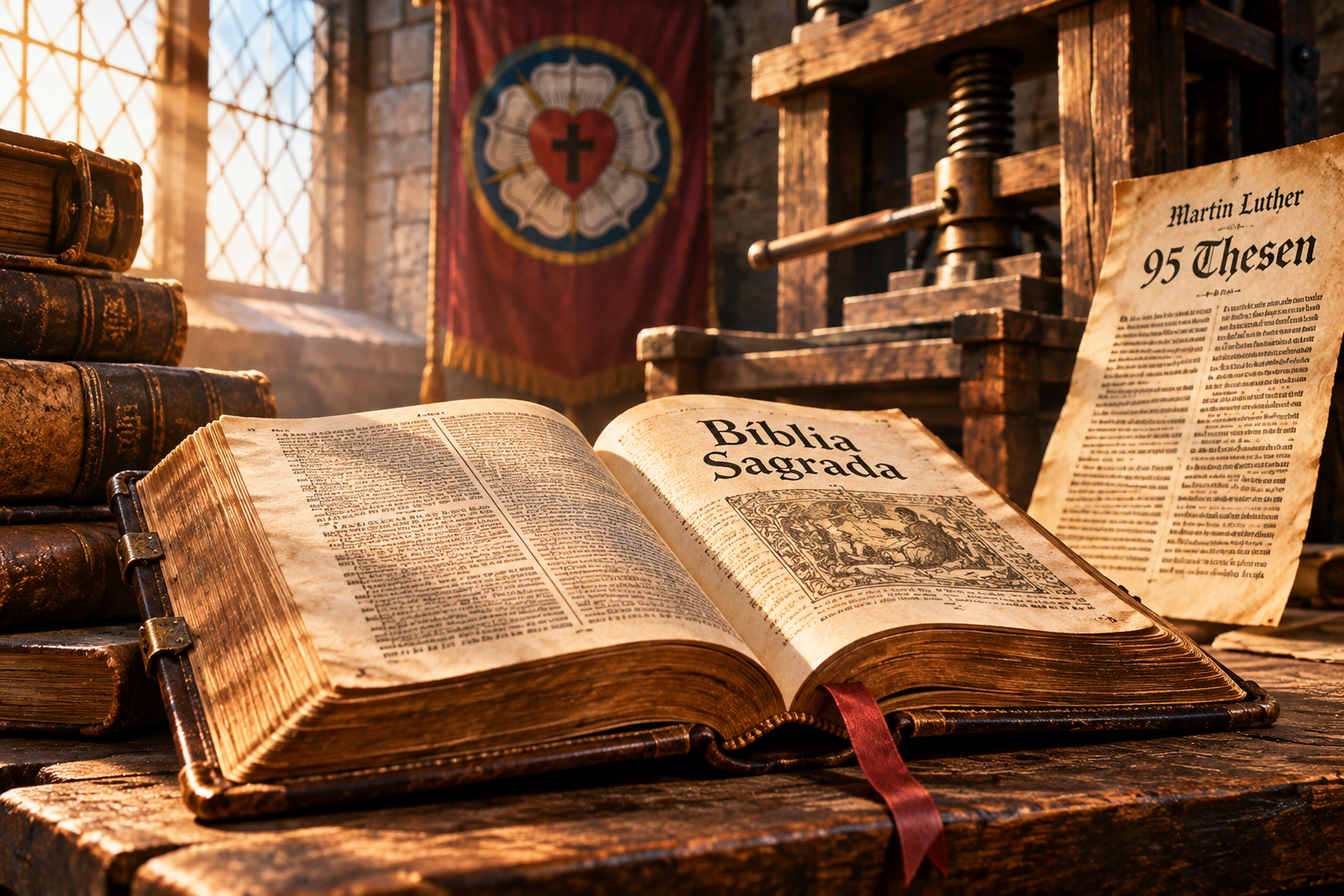
The historical significance of the Protestant Reformation, initiated by Martin Luther in the sixteenth century, lies in the profound transformation it brought about in the structure and message of the Western Christian Church. When Luther posted his Ninety-Five Theses on the door of the Castle Church in Wittenberg in October 1517, his initial aim was to encourage an academic debate about the ecclesiastical abuses and corruption of the time, especially the sale of indulgences. Yet, propelled by the translation and rapid circulation of written works, the movement quickly became a spiritual revolution of continental proportions. This historic milestone demonstrated how the courage of one man, grounded in Scripture, could challenge long-established secular and ecclesiastical structures that had gone astray.
The Debate Begins
The theses challenged ecclesiastical abuses and practices, especially indulgences.
Ideas Spread
The circulation of writings expanded the reach of the Reformation.
The Five Solas of the Protestant Reformation
The Reformation movement and the reformers who followed stood upon essential theological foundations known as the Five Solas. They affirmed that supreme authority rests in Scripture alone (sola Scriptura), that salvation is granted solely by the grace of God (sola gratia) through faith alone (sola fide), that the entire work of redemption belongs to Christ alone (solus Christus), and that the ultimate purpose of all things is the glory of God alone (soli Deo gloria). These principles recovered the true biblical gospel, correcting the deviation by which the ecclesiastical institution had assumed the role of dispenser of salvation rather than witness to divine grace.
Sola Scriptura
Scripture is the supreme authority for faith and practice.
Sola Gratia
Salvation is an undeserved gift from God.
Sola Fide
We are justified by faith, not by our own merit.
Solus Christus
The redemptive work of Jesus Christ is sufficient.
Soli Deo Gloria
All the glory of salvation belongs to the Lord.
The Legacy of the Reformation for the Church Today
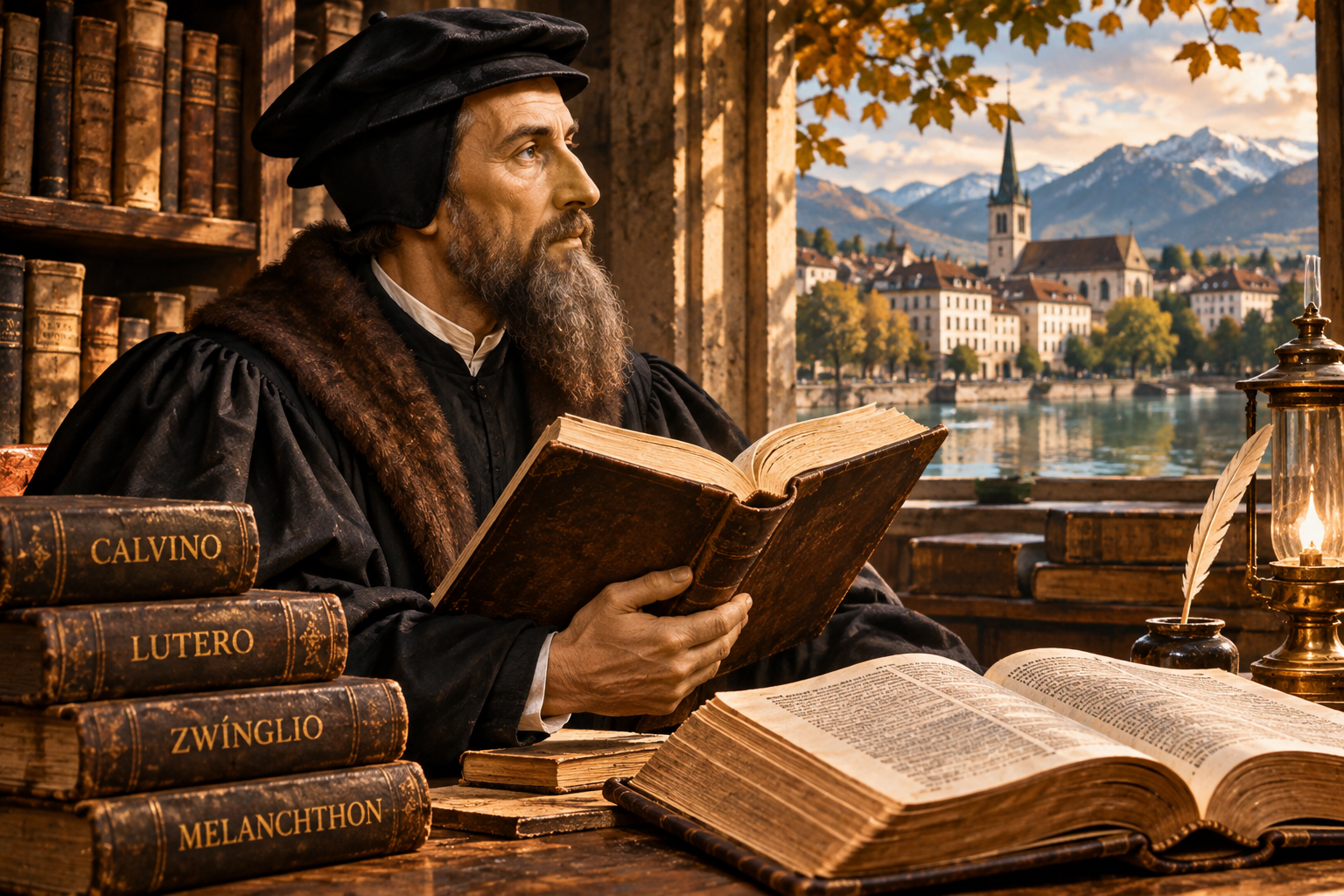
For the Church and for Christians today, the message of the Reformation remains urgently and indispensably relevant. In a contemporary setting marked by superficial forms of pluralism and doctrinal departures, Reformed foundations remind the community of faith of the constant need to return to Scripture as the unquestionable rule of faith and practice. The proclamation that justification comes solely through the work of Christ protects the gospel from every attempt at spiritual meritocracy or religious manipulation. In this way, the Reformed legacy challenges believers to live an authentic faith, centered on the worship of God and free from human contrivances.
Scripture as the Rule of Faith
The Church is called to examine its doctrine and practice in the light of God’s Word.
Christ at the Center
Justification rests upon the work of Jesus Christ, not human merit.
Repentance, Freedom, and Service to Others
Furthermore, the Reformation recovered the true nature of Christian repentance, understanding it not as a momentary act of mechanical penance, but as a continual transformation of the whole of human life brought about by the Holy Spirit. This understanding confronts the spiritual complacency common in the modern Church, calling every Christian to daily renewal of heart and mind. The Christian freedom described by Luther—in which the believer is at once a free lord over all things and a devoted servant to others—offers a profound ethical model for social engagement and love of neighbor today.
Continual Repentance
A life of transformation brought about by the Holy Spirit.
Daily Renewal
Heart and mind continually guided by the Word.
Christian Freedom
Freedom received in Christ to serve others in love.
Faith in Action
Authentic faith that shapes everyday life.
The Legacy of the Reformation Lives On
In summary, the legacy of the sixteenth century remains a living reminder that the spiritual renewal of the Church flourishes when God abundantly grants His Holy Spirit to ordinary men and women devoted to His Word. The importance of the Reformation lies not only in the historic break with Rome, but in the monumental rediscovery that the burden of human sin was fully borne by Jesus Christ. By preserving these principles, contemporary Christians find the direction they need to remain faithful to the gospel and actively hopeful in an ever-changing world.